

The morning commute out of Pune began with the usual vibrant chaos, but as we ventured further into the Purandar taluka, a different kind of quiet settled in. Our destination was the Pandeshwar Temple near Jejuri, a place I’d heard whispers about – not just of its ancient origins tied to the Mahabharata, but also of its current state, described as a fading monument to time. My curiosity was piqued, eager to witness history not just preserved, but slowly surrendering to the elements.
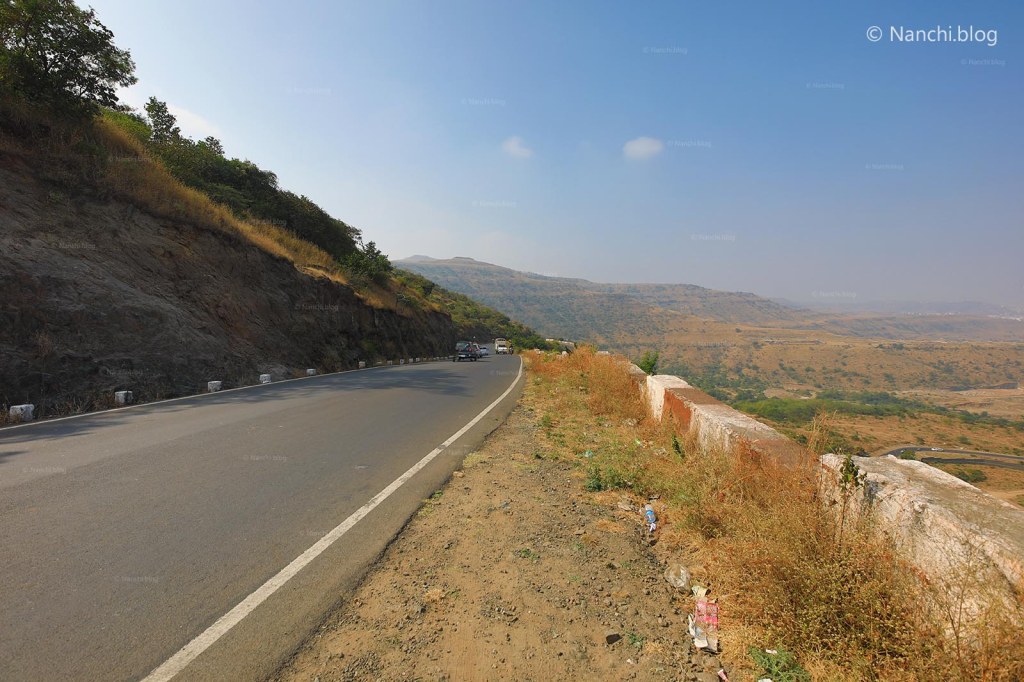
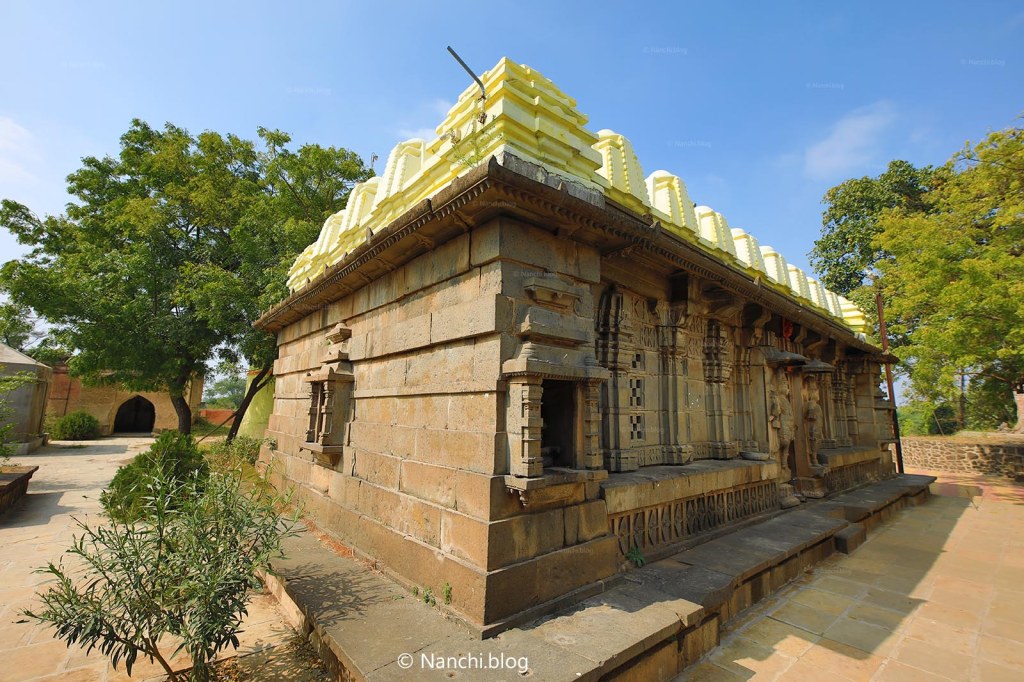
The winding roads, especially through Bopdev Ghat, offered a beautiful preamble, but the real transition occurred as we turned off the main Jejuri-Morgaon route. The well-paved road gave way to a rougher path, hinting at a place less frequented, more forgotten. And then, through a sparse stand of trees, it appeared – not the grand, imposing structure I had imagined from its legends, but a quiet, almost mournful silhouette against the morning sky. This was Pandeshwar Temple, its ancient stones worn smooth by centuries, its once vibrant spirit now a subdued echo.


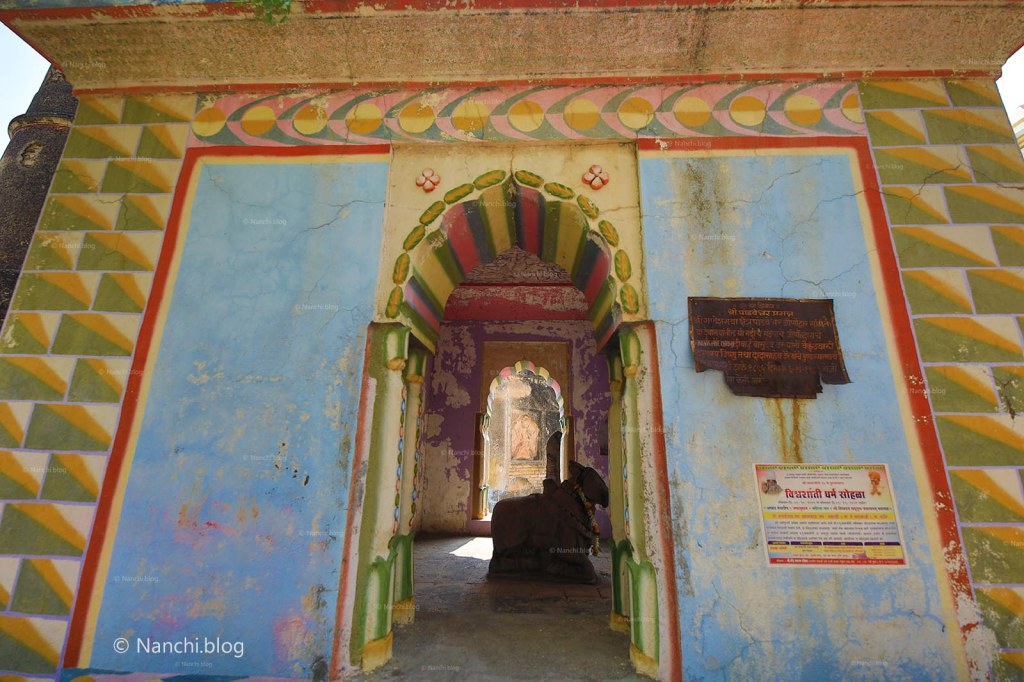
Stepping out, the very air felt different, carrying a stillness that spoke of abandonment more than active reverence. The main gate, unlike the sturdy entrances of well-maintained temples, showed clear signs of neglect. Faded paint peeled from wooden panels, and portions of the stone carvings were chipped, their intricate details softened by erosion. The painting of Lord Shiva, which in other descriptions might be vivid, here was a ghost of its former self, its colors muted, barely clinging to the surface, yet still possessing a poignant beauty.


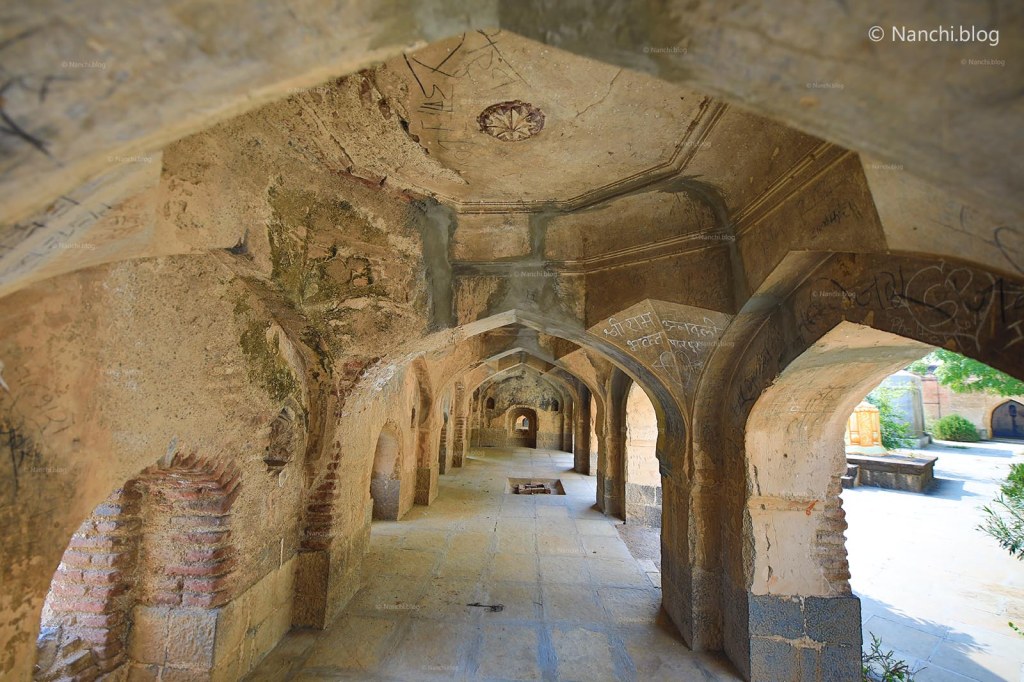
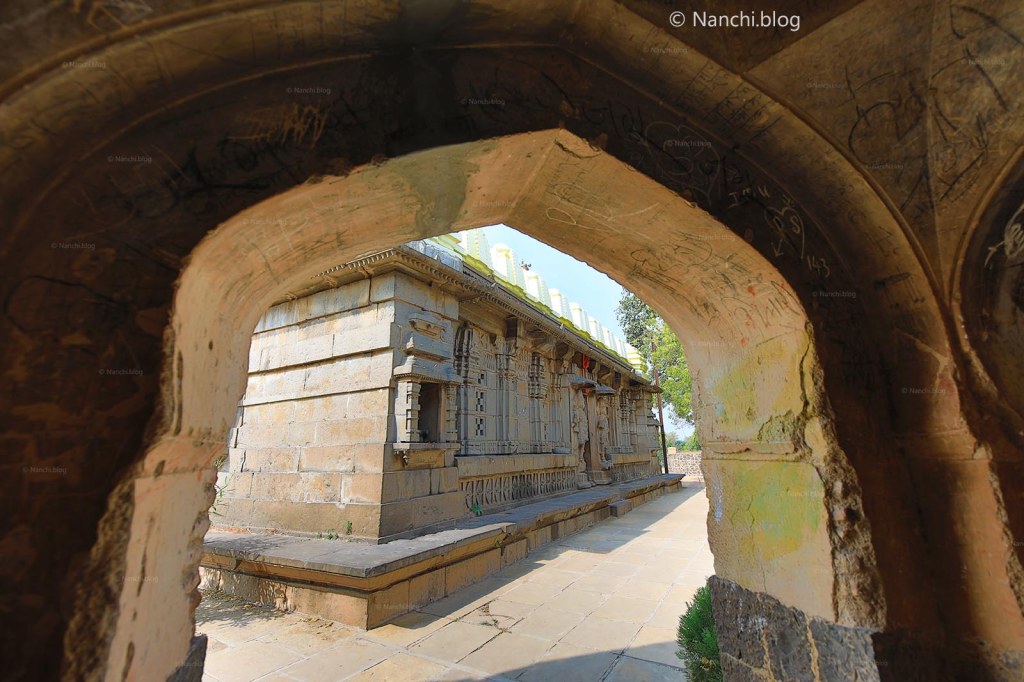

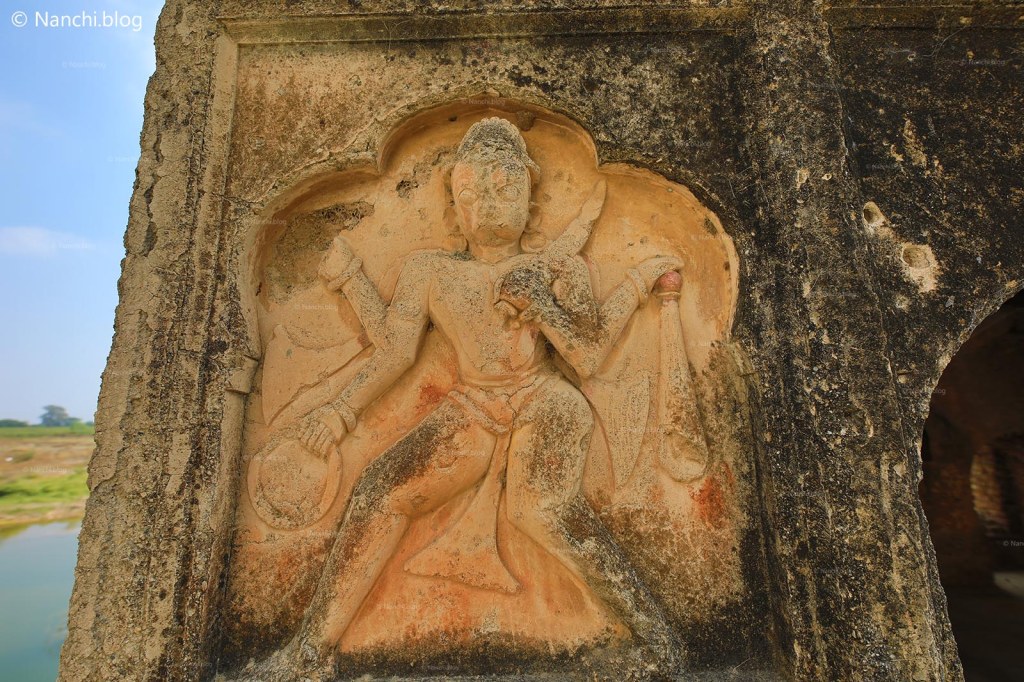
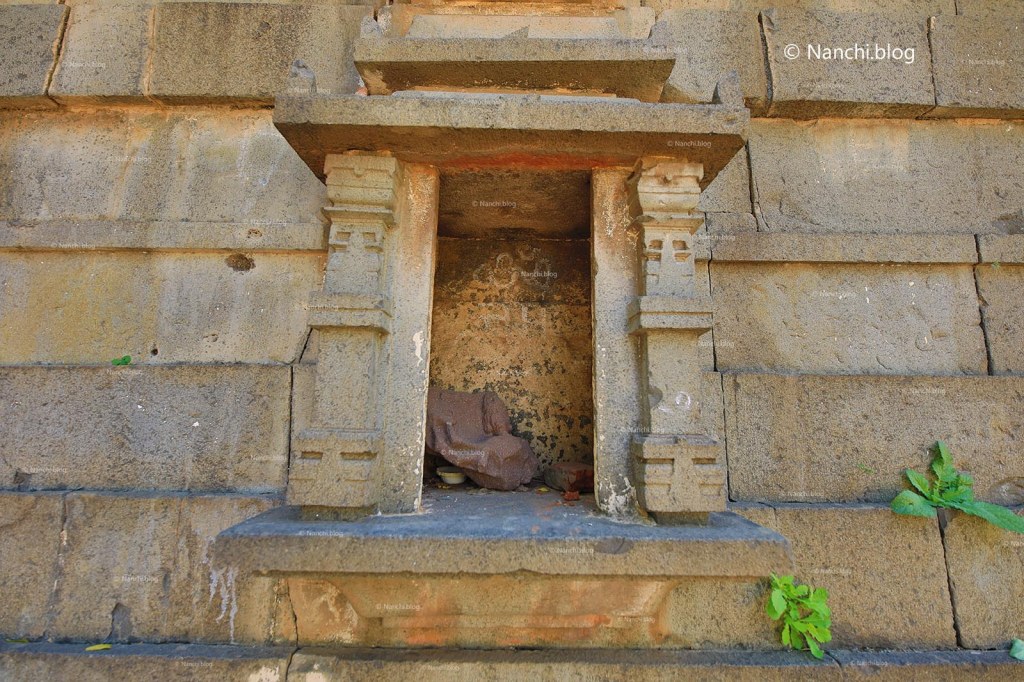
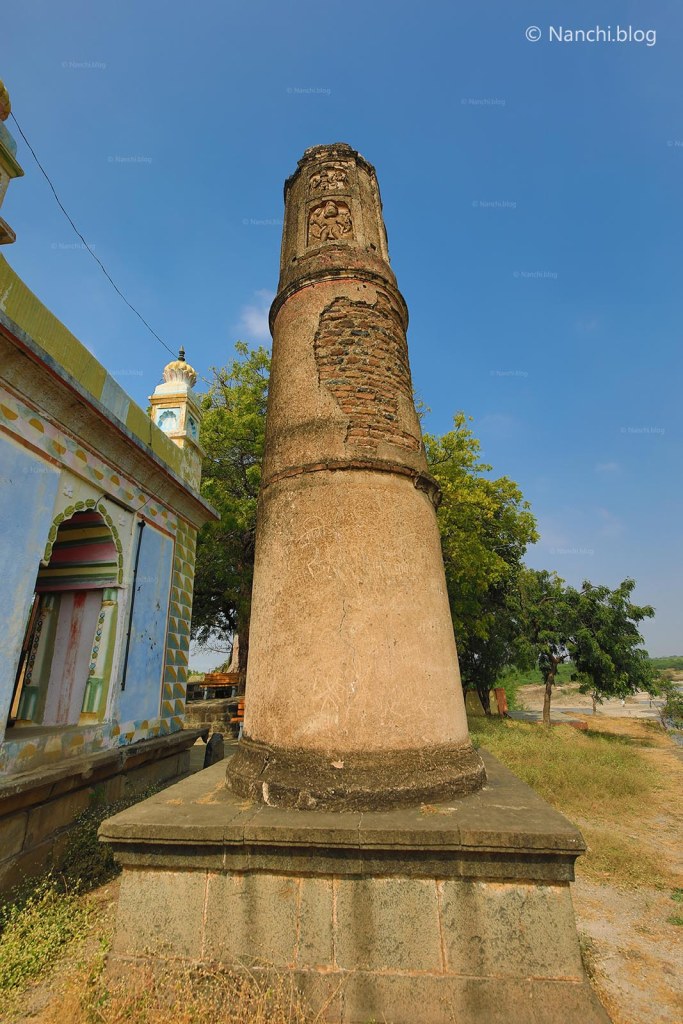
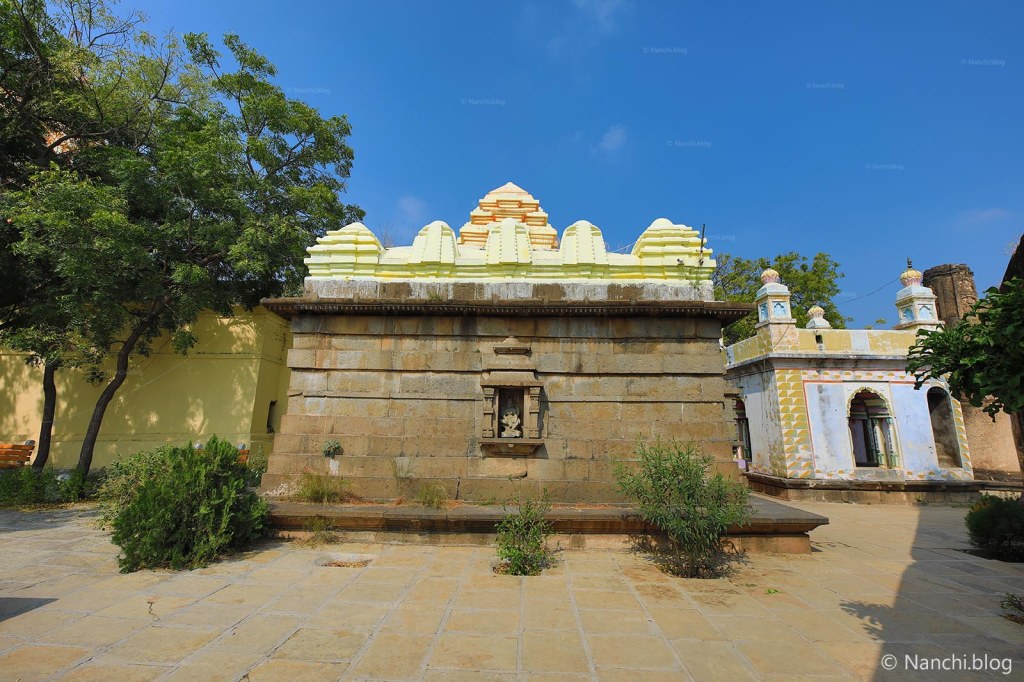
Inside the sprawling complex, the reality of its “ruined” state became starkly clear. The sabhamandapa, once a bustling assembly hall, was now an open-air chamber, parts of its roof collapsed, letting in shafts of sunlight that illuminated dust dancing in the air. The famed Yadava-era pillars, described as vibrant in older accounts, were now stained and cracked, their original blue and pink hues almost entirely washed away, leaving behind the raw, weathered stone. The smaller shrines dedicated to Sahadev, Bhima, and Yudhishthir, while still discernible, felt almost forlorn, their offerings minimal, their stone deities gazing out with an ancient, weary patience.
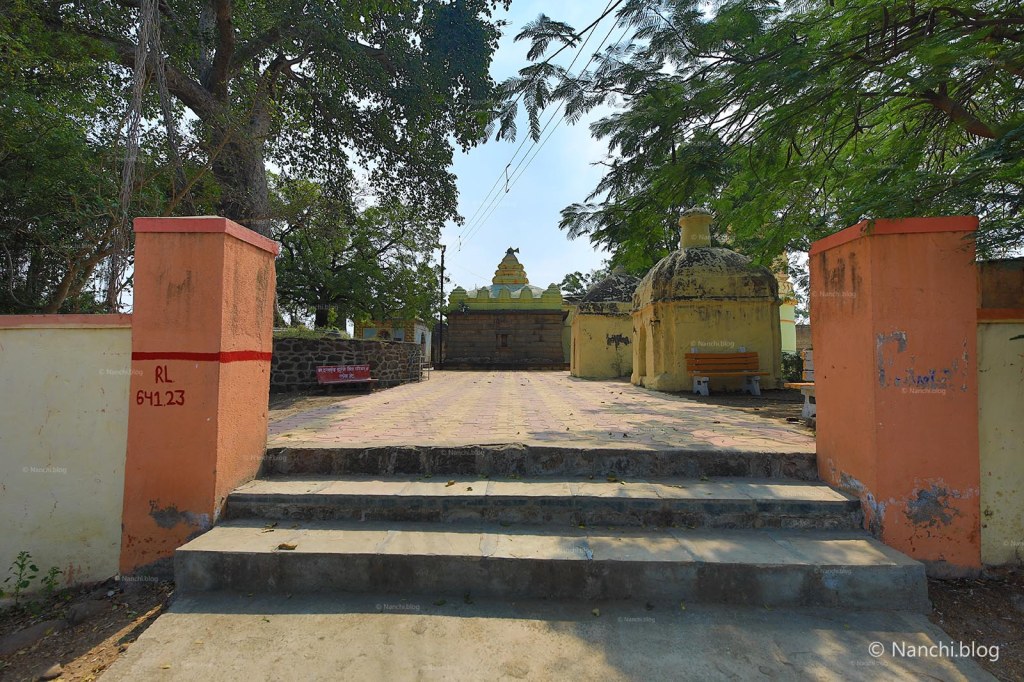
The path to the main sanctum, surprisingly, was still intact, though the stone underfoot was uneven, demanding careful steps. The doorway, once perhaps ornate, was now humble, its decorative elements chipped away. Within, the Shivling remained, a powerful focal point, adorned with a few fresh flowers – a testament to the enduring faith of a handful of devotees who still sought its blessing. Yet, even here, the walls were damp, streaked with moss, and the air carried the faint scent of damp earth rather than incense.
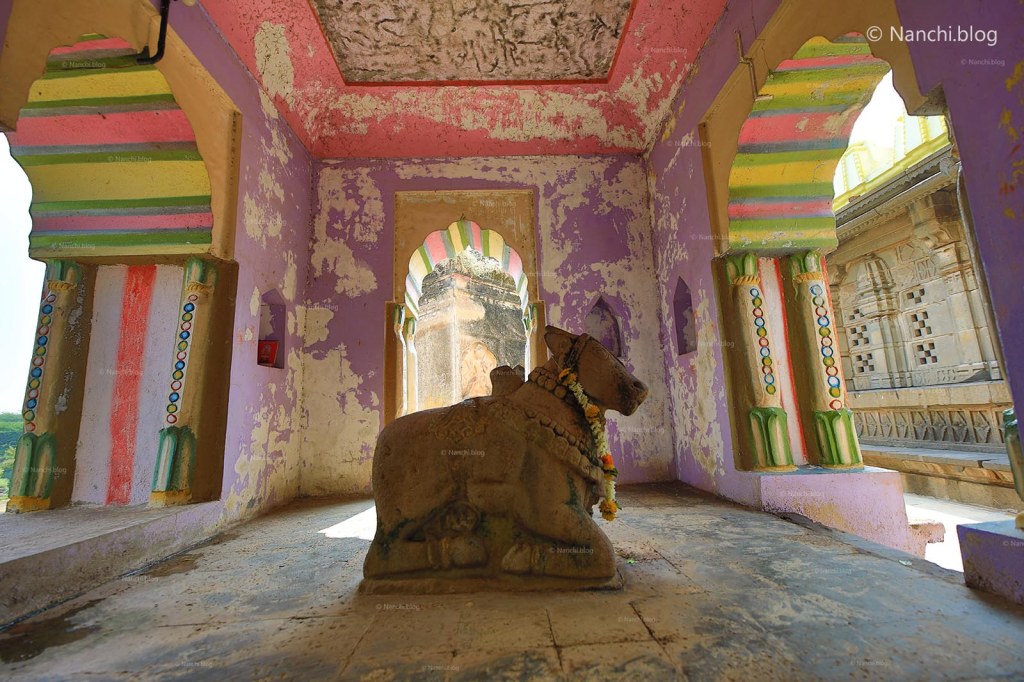
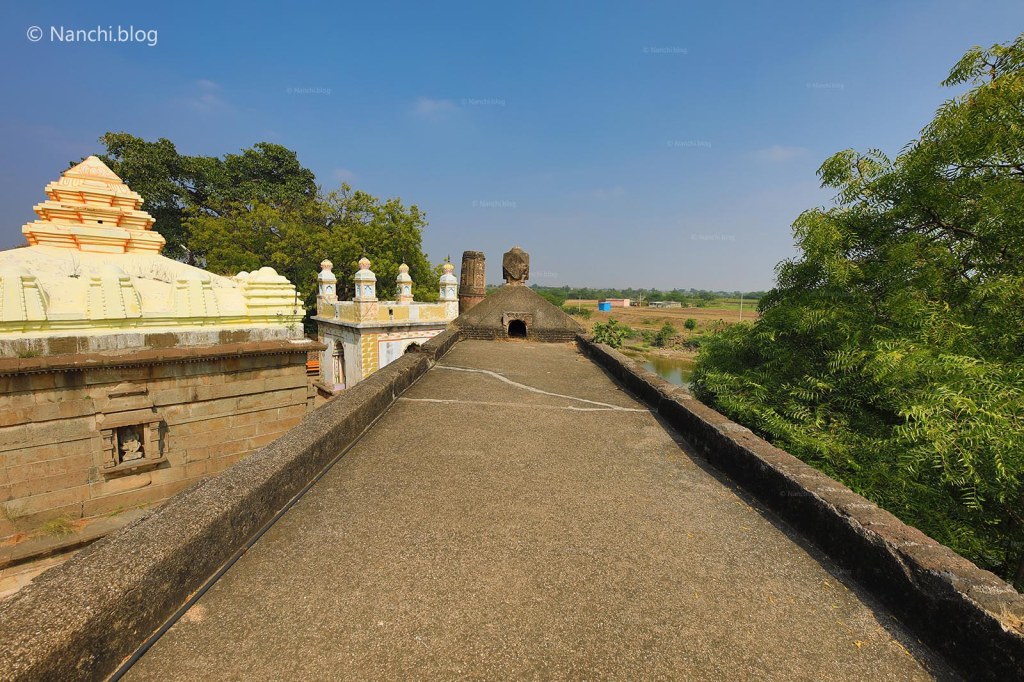
Outside, the Nandi Mandapam, with its unique turned-head Nandi, was similarly weathered. The stairs leading to its roof felt precarious, each step a gamble. From the top, the panoramic view was breathtaking, but it was a beauty tinged with melancholy – the lush fields stretching out, embracing a monument slowly being reclaimed by nature. There was no bustling crowd, no cacophony of bells; only the whisper of the wind through crumbling arches, carrying the faint, distant sounds of rural life.


My visit to Pandeshwar Temple was a journey through time, a poignant encounter with a sacred place in decline. It wasn’t the joyous, vibrant pilgrimage I might have expected from other temples, but rather a reflective experience, a quiet testament to the impermanence of even the grandest human endeavors, and the enduring, silent strength of devotion that persists amidst the ruins.






 Nanchi.blog